Heritage

Historic & heritage properties

Manors, churches, landmark buildings and old estates across Lithuania, Latvia and Estonia.

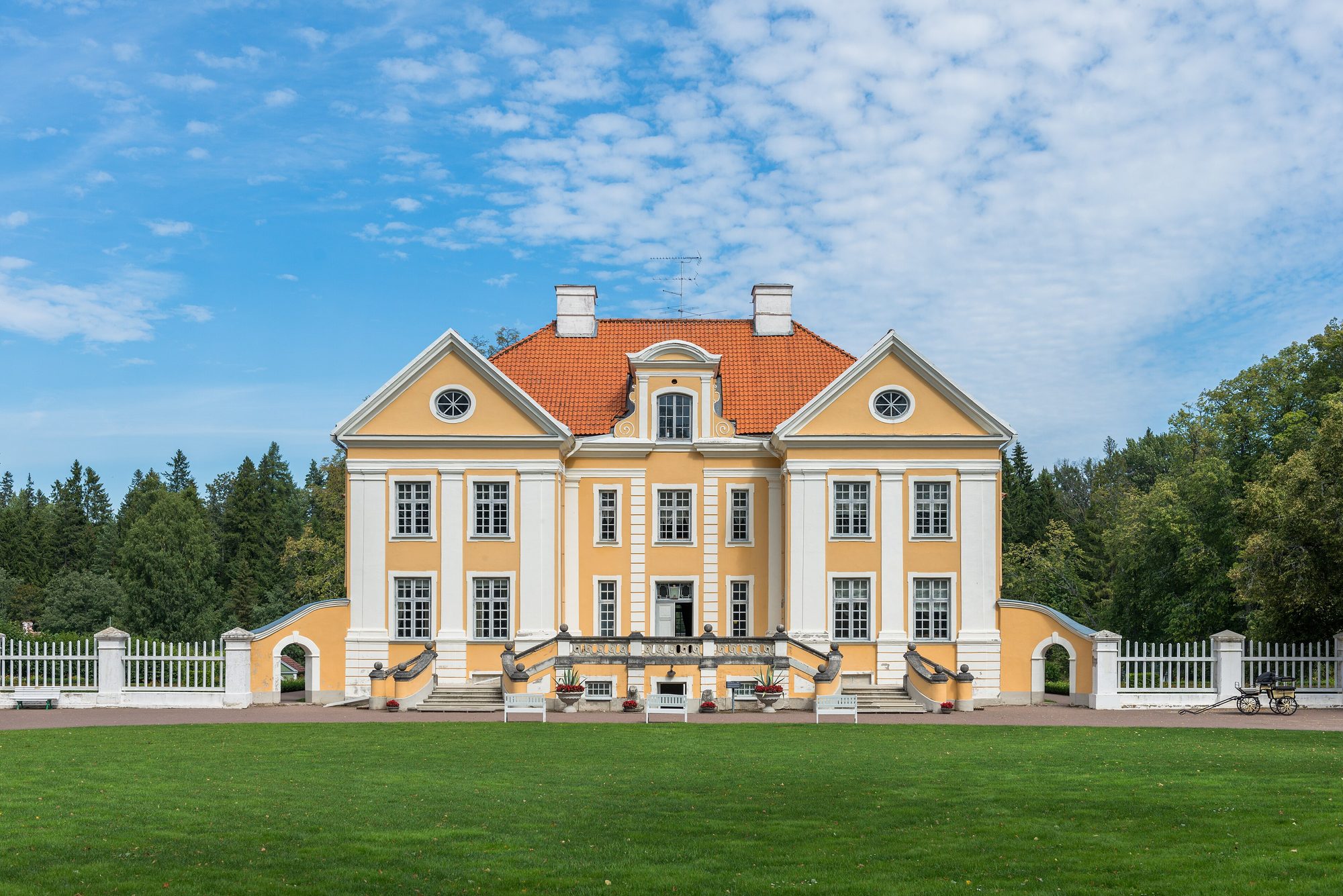
Yellow baroque main house of Palmse Manor with a red tiled roof, behind a white fence and a wide lawn, Lahemaa National Park, Estonia
Palmse Manor, Lahemaa National Park, Estonia — Photo: Abrget47j, CC BY-SA 3.0, Wikimedia Commons

Some buildings are more than a place to live. A manor that has stood for three centuries, a former church, a town house where a well-known figure once lived. Properties like these need buyers who understand what they are taking on, and they deserve to be shown with care.

This is Live Baltic's home for them. When we present a heritage property, its register status, protection details and history sit alongside the photos, so the buyers who get in touch already know what they are looking at.

Why owners come to Live Baltic

  • One marketplace for buying and renting across Lithuania, Latvia and Estonia, so buyers can search all three countries in one place.
  • The site works in seven languages, including English and Lithuanian, so a buyer in Kaunas and a buyer abroad read the same property in their own language.
  • We cover notable heritage sales across the region, and those stories send readers straight to this section.
  • We prepare the listing text and a short history with you, and you approve it before anything goes live.

Recent heritage sales in the Baltics

Historic buildings change hands more often than people think, and many of them are sold at public state auctions whose results are published. A few recent examples:

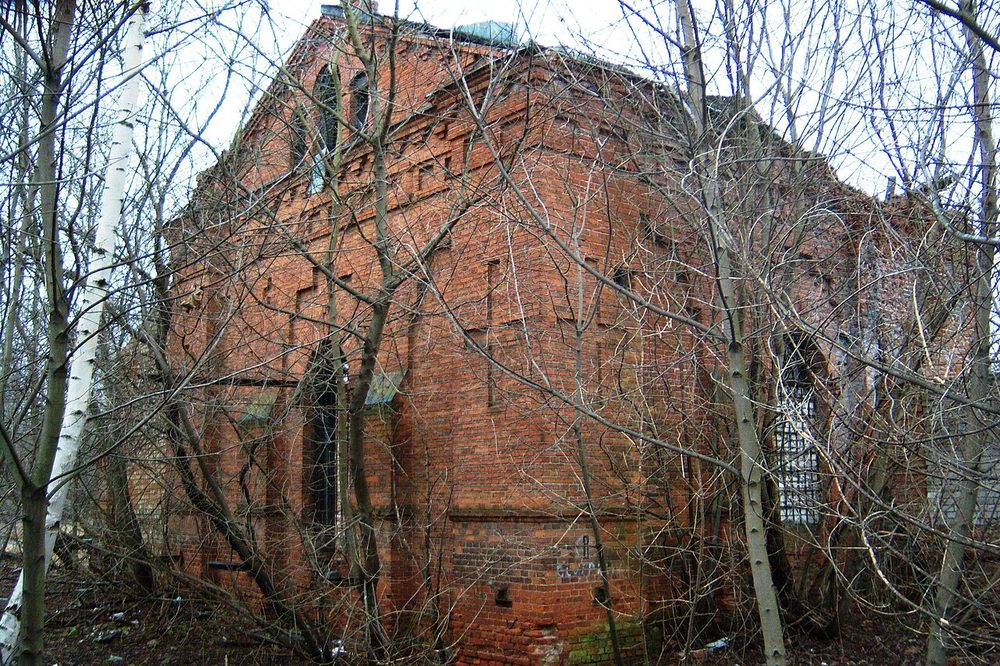
Red-brick ruin of the former Kaunas Fortress Church of the Transfiguration on Radvilėnų plentas, Kaunas, behind bare trees (2013)

Photo: Vilensija, CC BY-SA 3.0, Wikimedia Commons

Church of the Transfiguration fragments, Radvilėnų pl. 1A

Kaunas, Lithuania

A Kaunas Fortress regimental church from around 1904, entered in the Register of Cultural Property in 2014.

Auction sale price €312,000 (starting price €188,561), Turto bankas auction, July 2023.

Source: Lrytas
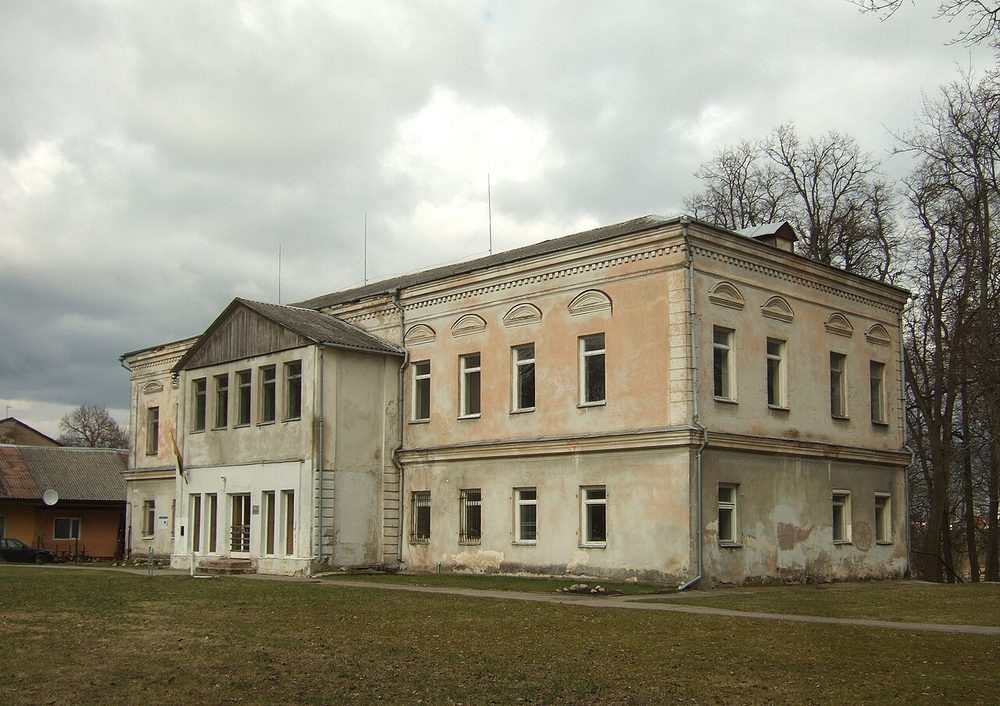
Front facade of the Buivydiškės manor house near Vilnius under a cloudy sky (2015)

Pictured: the Buivydiškės manor house, on the same estate as the stud complex.

Photo: Anaiptol, CC0 1.0, Wikimedia Commons

Buivydiškės stud complex

Vilnius district, Lithuania

A riding hall, stables and smithy inside a manor estate held for centuries by the Radziwiłł family.

Auction sale price €765,000 (starting price €510,000), Turto bankas auction, summer 2025.

Source: Turto bankas

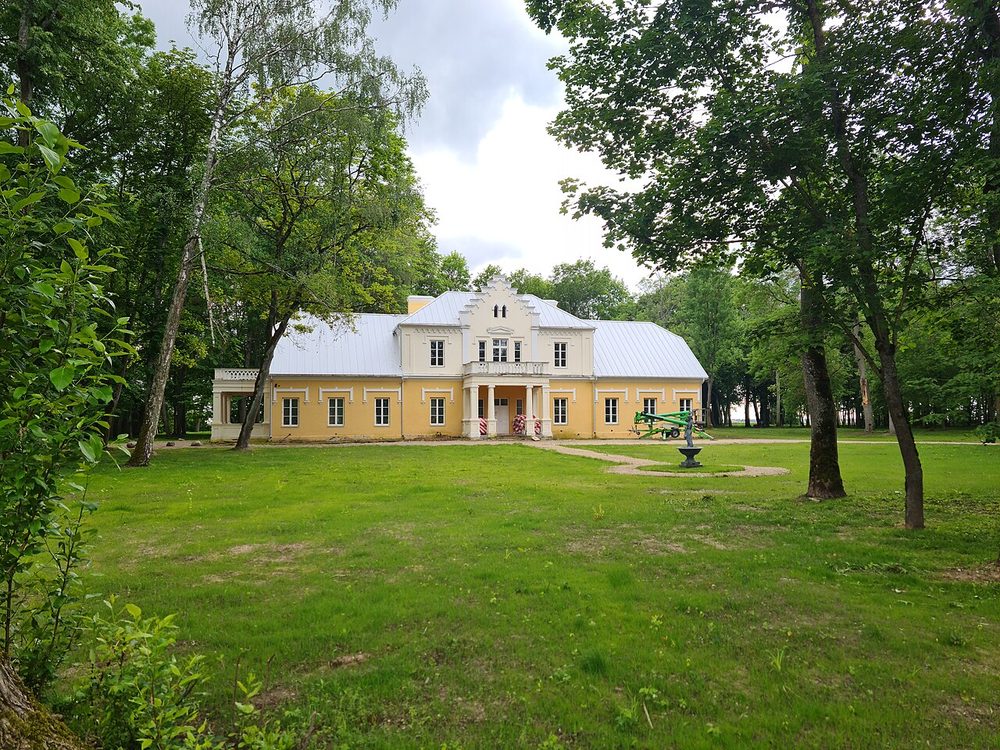
Pale yellow Kalnaberžė manor house with a light roof, seen across a lawn between old trees (2024)

Photo: TautvydasSiburkis, CC BY-SA 4.0, Wikimedia Commons

Kalnaberžė manor

Kėdainiai district, Lithuania

First mentioned in 1371; the manor homestead is in the Register of Cultural Property.

Auction sale price 73 thousand euros (starting price €53,700), Turto bankas auction, September 2022.

Source: Turto bankas

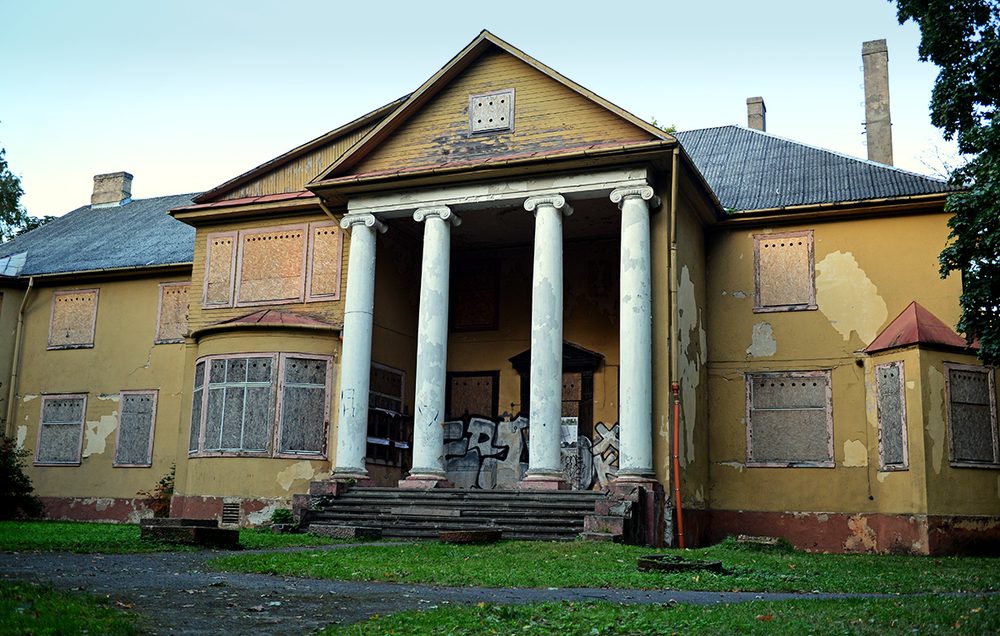
Yellow Majori Manor house in Jūrmala with a portico of four white columns (2017)

Photo: Forestermax, CC BY-SA 4.0, Wikimedia Commons

Majori Manor

Jūrmala, Latvia

Built in 1910 on the bank of the Lielupe as a summer residence and hunting lodge.

Auction sale price €699,084.97 (starting price €315,084.97), VNĪ repeat auction, 27 June 2024.

Source: VNĪ

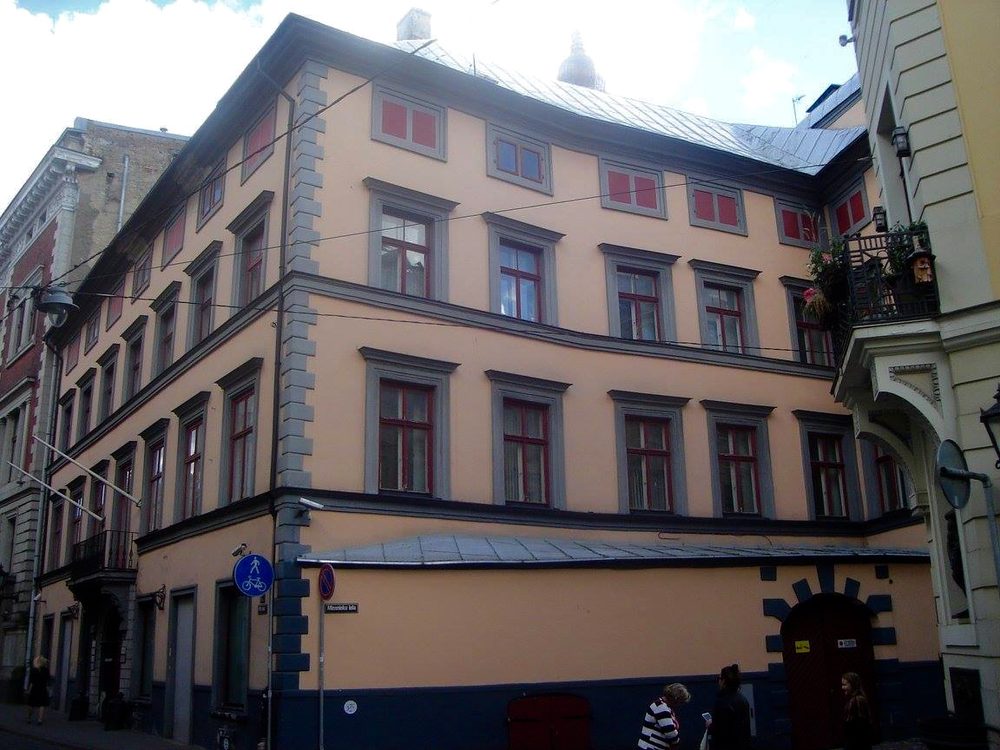
Corner town house at Pils iela 21 in Old Rīga, with ochre and grey facades (2016)

Photo: Egilus, CC BY-SA 4.0, Wikimedia Commons

Pils iela 21

Old Rīga, Latvia

A town house built in 1698, on the list of state-protected cultural monuments.

Auction sale price €1.045 million (starting price €1.035 million), VNĪ re-auction, reported 30 September 2025.

Source: LSM

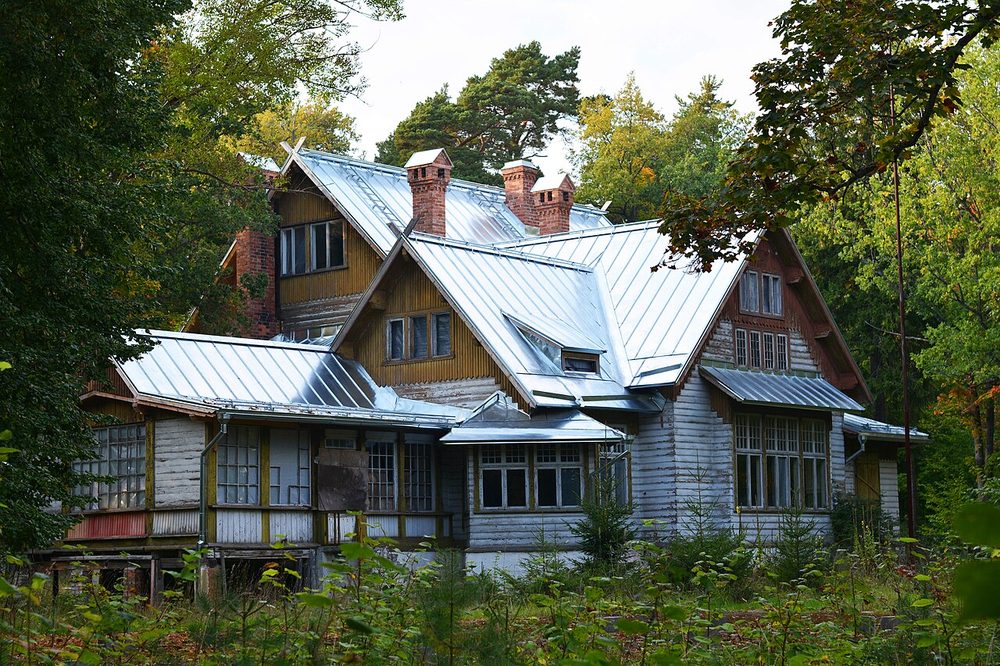
Wooden Egon Koch villa with grey metal roofs among trees at Liberty Manor, Tallinn (2014)

Pictured: Egon Koch's villa at Liberty Manor.

Photo: A.Palu, CC BY-SA 3.0 EE, Wikimedia Commons

Liberty Manor

Tallinn, Estonia

A seafront summer manor first shown on a 1783 map; the buyer must rebuild Egbert Koch's villa by the end of 2027.

Auction sale price €2.62 million excl. VAT (starting price €890,000), RKAS auction, September 2024.

Source: ERR

Read the full story of eleven historic sales →

What fits here

  • Manors and manor estates, with or without parkland
  • Castles and palace complexes
  • Churches, chapels and parish buildings, where the seller has the right to sell
  • Landmark and memorial buildings: old courthouses, villas, houses linked to notable people
  • Mills, lighthouses, riding halls and other industrial or rural heritage
  • Town houses inside protected old towns and heritage areas

If people still tell stories about a building, it probably belongs here.

What to send us

  • Recent photos of the exterior, the main interiors and the grounds
  • Location: address or cadastral number
  • Heritage status: the register entry and code if the property is listed, or a note that it is not
  • Land area, building area and current condition
  • Asking price, or "price on request"
  • Any known obligations, such as a protection agreement, restoration conditions or public access duties
  • Who is selling: owner, agency or state auction

Own a property with a story?

Owners and agents can write to us at agencies@livebaltic.com. Tell us about the property and we will show you how it will be presented and what we need to publish it.

Write to agencies@livebaltic.com

Before you buy: how the rules differ

Lithuania

Check the property in the public Register of Cultural Property (kvr.kpd.lt) first. Under the new version of the Law on the Protection of Immovable Cultural Heritage, in force since 1 November 2026, the seller must tell the municipal administration in writing at least one month before the sale. The municipality checks that the condition of the property matches the register, and the property can only be handed over while that check report is valid (six months in most cases). The owner must look after the property and its valuable features, and state and municipal programmes can fund part of the works, up to 80% in some cases.

Latvia

When a cultural monument of state significance is sold, the state has a right of first refusal, and the National Heritage Board decides whether to use it. Conservation, restoration and repair work needs a permit.

Estonia

The sale contract for a monument must refer to the legal act that put it under protection, and conservation, restoration or building work needs a works permit. Owners can apply to the National Heritage Board for support.

Photo credits

Photos from Wikimedia Commons, used under the licences shown. Images have been resized.

Heritage-listed property comes with legal duties for the owner. Check the register entry and talk to the local heritage authority before you buy. This is general information, not legal advice; Live Baltic is a marketplace, not a legal adviser.